The Dos and Don’ts of DIY Kitchen Renovation Every Homeowner Should Know

A kitchen renovation is one of the most exciting and rewarding home improvement projects a homeowner can undertake. For many, the kitchen is the heart of the home—a space where family meals are prepared, guests gather, and daily routines begin and end. While hiring professionals is the traditional route, more homeowners are opting for a DIY kitchen renovation to save costs, add a personal touch, and gain the satisfaction of building something themselves.
However, renovating a kitchen is no small task. It involves a combination of design, planning, budgeting, and skilled labour. From plumbing and electrical considerations to cabinetry, tiling, and finishes, there are countless details that can make or break the success of the project. Without a clear understanding of the dos and don’ts, a DIY kitchen renovation can quickly spiral into a stressful and expensive endeavour.
This comprehensive guide will walk you through the essential dos and don’ts every homeowner should know before swinging the first hammer. Whether you’re updating your cabinetry, replacing countertops, or rethinking your entire kitchen layout, these practical insights will help you achieve a functional, stylish, and budget-friendly renovation.
Why DIY Kitchen Renovation Appeals to Homeowners
Before diving into the dos and don’ts, it’s worth understanding why so many homeowners are drawn to tackling kitchen renovations themselves.
Cost Savings
Hiring tradespeople for an entire kitchen remodel can be costly, with labour often accounting for half the budget. By handling some aspects on your own—such as demolition, painting, or tiling—you can significantly cut down on expenses.
Personalisation and Satisfaction
A DIY renovation allows you to bring your unique vision to life. From choosing colour palettes to installing open shelving, you can customise every element of your kitchen to suit your lifestyle.
Skill Development
Taking on a DIY project can also help you develop practical skills. Even if you’re not an experienced renovator, learning how to handle tools, materials, and design decisions can be empowering and rewarding.
While the appeal is undeniable, the risks are equally real. Poor planning, underestimating costs, or tackling work that requires licensed professionals can result in costly mistakes. That’s why knowing what to do—and what to avoid—is key.
Do: Start with a Clear Plan
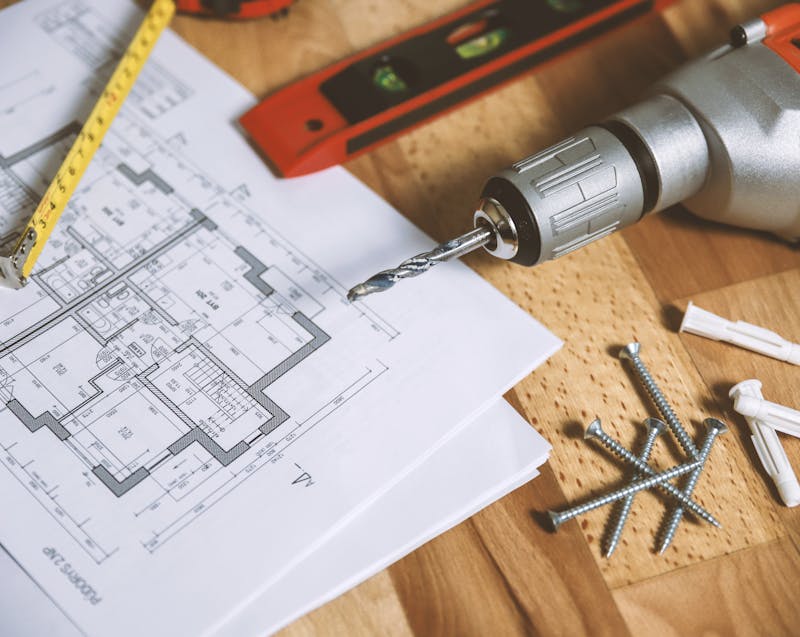
Without a roadmap, you risk overspending, mismanaging timelines, and ending up with a kitchen that doesn’t suit your needs.
Key Steps in Planning:
- Assess your needs: Think about how you use your kitchen. Do you need more bench space? Is storage your biggest concern? Do you entertain often?
- Measure accurately: Precise measurements of walls, appliances, and cabinetry ensure everything fits as intended.
- Set a realistic budget: Allocate funds not just for materials, but also for unexpected costs such as structural issues or tool purchases.
- Choose a layout wisely: The kitchen work triangle (sink, stove, fridge) is a classic design principle that ensures efficiency.
- Gather inspiration: Look at design magazines, online platforms, or showroom displays to refine your vision.
A clear plan will act as your foundation, helping you stay on track and avoid costly detours.
Don’t: Underestimate the Complexity of the Project
Many homeowners underestimate how complicated a DIY kitchen renovation can be. What might seem like a weekend project could drag on for months if you lack the necessary skills or tools.
Why Complexity Matters:
- Plumbing and electrical work: These often require licensed professionals under Australian building codes. Attempting them yourself can be dangerous and illegal.
- Structural changes: Removing a wall without assessing its structural importance can compromise your home’s integrity.
- Custom cabinetry: While flat-pack options are straightforward, building or modifying cabinets requires advanced carpentry skills.
Before starting, honestly assess your skill level. Tackle manageable tasks like painting, tiling, or installing hardware, and leave plumbing or electrical jobs to the experts.
Do: Focus on Functionality First
While aesthetics are important, functionality should always be your first priority. A beautiful kitchen that lacks storage, has poor lighting, or awkwardly placed appliances will only frustrate you in the long run.
Ways to Prioritise Functionality:
- Maximise storage: Consider deep drawers, pull-out pantry systems, and overhead cabinets to make use of vertical space.
- Think about workflow: Position appliances logically to make cooking and cleaning efficient.
- Include adequate lighting: Use a combination of task lighting (under-cabinet), ambient lighting (ceiling), and accent lighting for style.
- Consider ventilation: A proper rangehood prevents grease build-up and keeps the air fresh.
By prioritising functionality, you’ll create a kitchen that’s not only stylish but also practical for everyday life.
Don’t: Ignore Your Budget Limits
Even with the best intentions, it’s easy to overspend during a kitchen renovation. Materials, fixtures, and finishes add up quickly, and unexpected expenses often arise.
Common Budget Mistakes:
- Choosing luxury finishes everywhere: You don’t need marble countertops and custom joinery to achieve a premium look.
- Forgetting hidden costs: Delivery fees, waste disposal, and tool rentals can eat into your budget.
- Not setting aside a contingency fund: Always allow 10–15% of your budget for surprises.
Sticking to your budget doesn’t mean compromising quality. Shop smart by comparing suppliers, considering second-hand fixtures, and blending high-end pieces with affordable alternatives.
Do: Invest in Quality Where It Matters
While saving money is one of the goals of a DIY renovation, cutting corners on quality can cost more in the long run. Certain features of your kitchen endure heavy daily use and should be built to last.
Areas Worth Investing In:
- Cabinetry and hardware: Cheap cupboards and flimsy hinges won’t stand up to frequent use.
- Benchtops: Durable surfaces like engineered stone or laminate are cost-effective and long-lasting.
- Appliances: Reliable, energy-efficient appliances save money over time and increase your home’s value.
- Flooring: Opt for hardwearing materials such as vinyl planks, tiles, or engineered timber.
A well-balanced renovation combines cost-effective DIY solutions with high-quality investments in key areas.
Don’t: Forget About Safety

Safety should always be at the forefront of any renovation project. From handling tools to working with heavy materials, DIY kitchen renovation comes with risks.
Essential Safety Tips:
- Always wear protective gear such as gloves, goggles, and dust masks.
- Ensure power tools are in good working condition and used correctly.
- Keep your workspace clean and well-lit to prevent accidents.
- Never attempt electrical or gas work unless you are licensed.
- Dispose of waste materials, especially sharp objects and chemicals, responsibly.
Ignoring safety can result in injuries, damage to your home, or legal repercussions.
Do: Take on Manageable DIY Tasks
Not everything in a renovation requires professional expertise. Many aspects of a kitchen remodel can be successfully completed by homeowners with patience and preparation.
DIY-Friendly Tasks Include:
- Painting cabinets and walls
- Installing splashback tiles
- Assembling and installing flat-pack cabinetry
- Replacing cabinet handles and hardware
- Laying vinyl flooring
- Adding floating shelves
By taking on manageable tasks, you’ll save money while avoiding the frustration of being overwhelmed by highly technical jobs.
Don’t: Rush Through the Process
Renovating a kitchen takes time, and rushing often leads to mistakes that are costly to fix later.
Dangers of Rushing:
- Misaligned cabinets and benchtops
- Sloppy paint jobs
- Incorrect measurements leading to wasted materials
- Skipping waterproofing, causing long-term damage
Take your time to measure, cut, and install properly. A renovation completed carefully and thoughtfully will provide lasting satisfaction.
Do: Seek Inspiration and Learn Continuously
One of the best things about embarking on a DIY renovation today is the abundance of learning resources available. From YouTube tutorials to online forums and local hardware store workshops, there’s no shortage of guidance.
Where to Find Inspiration:
- Home improvement shows and magazines
- Social media platforms like Pinterest and Instagram
- Display kitchens in hardware and design stores
- Blogs and online courses focused on DIY skills
Continually learning will boost your confidence and help you make smarter renovation decisions.
Don’t: Overlook Building Codes and Regulations
In Australia, kitchen renovations often require adherence to building codes and, in some cases, council approval. Ignoring regulations could result in fines, insurance issues, or the need to redo non-compliant work.
Key Considerations:
- Licensed trades must handle electrical and plumbing work.
- Some alterations may require council permits, especially if they affect the structure.
- Waterproofing in wet areas must comply with Australian Standards.
Always check with your local council or building authority before starting your renovation.
Do: Celebrate Your Achievements
Renovating your kitchen is no small feat. Every completed task, whether installing a new benchtop, painting a wall, or upgrading your splashback, brings you closer to your dream kitchen.
Take time to step back and appreciate the progress you’ve made. Not only does this boost motivation, but it also helps you recognise the value of your hard work.
Conclusion
A DIY kitchen renovation can be one of the most rewarding projects a homeowner undertakes, offering both financial savings and the satisfaction of creating a personalised space. However, it’s important to strike the right balance between ambition and practicality. By following the dos—such as planning thoroughly, focusing on functionality, investing in quality where it counts, and tackling manageable tasks—you can achieve a renovation that looks professional and lasts for years. At the same time, avoiding the don’ts—like underestimating complexity, rushing the process, or ignoring regulations—will save you time, money, and stress.
With patience, preparation, and the right knowledge, your kitchen renovation can transform your home into a more functional and stylish space that reflects your personality and meets your daily needs.