The Rise of Non-Surgical Aesthetics: Top Trends Driving Australian Cosmetic Clinics
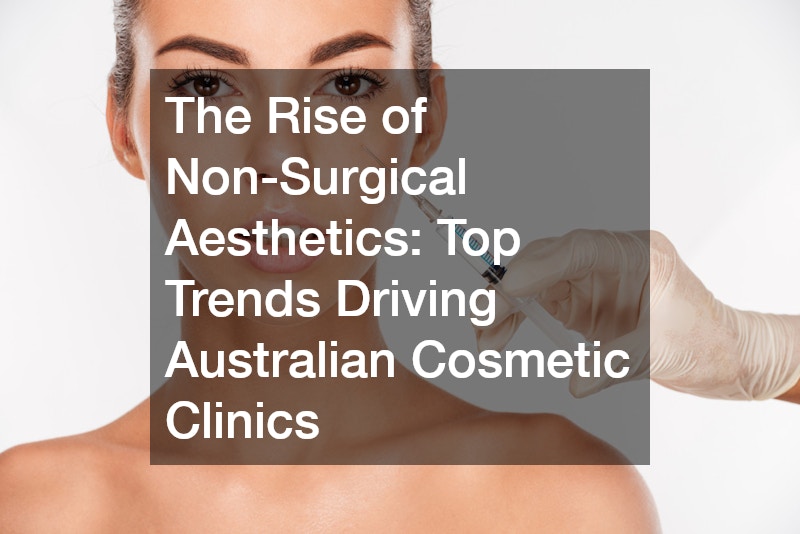
The Australian aesthetic landscape is undergoing a remarkable evolution. Driven by technological innovation, shifting societal attitudes and a growing preference for natural results, non-surgical treatments have surged ahead of traditional cosmetic surgery. Across Sydney, Melbourne, Brisbane and regional hubs, consumers are embracing minimally invasive procedures that deliver noticeable rejuvenation without extensive downtime or surgical risks. As the demand for anti-wrinkle injections, biostimulatory treatments, laser skin resurfacing and energy-based skin tightening accelerates, local clinics are expanding their offerings to meet the needs of an increasingly informed public. Visiting a qualified cosmetic treatment clinic has become a mainstream aspect of self-care, health and wellness for Australians of all ages.
Shifts in Consumer Preference & Mindset
One of the primary catalysts behind this surge is a fundamental shift in how Australians approach personal aesthetics. Where previous generations often sought dramatic visual changes through invasive surgery, modern consumers favour subtle, incremental enhancements that preserve natural facial harmony.
The concept of “pre-juvenation” has gained immense popularity among younger demographics who choose early, preventative care to maintain skin quality before deep wrinkles or significant volume loss manifest. Meanwhile, mature patients are turning to regenerative therapies that encourage the body’s organic collagen production rather than relying solely on dermal fillers. This cultural pivot towards skin health, texture and authentic vitality has elevated the role of the modern cosmetic treatment clinic from a place for quick aesthetic fixes to a destination for long-term dermatological care.
Key Trends Shaping Australian Aesthetic Practices
Several prominent clinical trends currently define Australia’s non-surgical sector:
- Biostimulatory Injectables: Unlike conventional volumising fillers, bio-remodelling treatments stimulate natural collagen and elastin synthesis over time, improving skin firmness, elasticity and overall density.
- Energy-Based Devices: High-intensity focused ultrasound (HIFU) and radiofrequency microneedling deliver precise thermal energy to deep dermal layers, lifting lax skin without surgical incisions.
- Hybrid Combination Therapies: Clinicians are increasingly combining multiple non-ablative modalities, such as laser therapy alongside skin boosters, within single treatment plans to address tone, texture and structural support simultaneously.
- Personalised Diagnostic Imaging: High-resolution 3D skin analysis tools evaluate subsurface pigmentation, vascular health and collagen integrity, allowing practitioners to design bespoke treatment plans tailored to individual anatomical profiles.
Enhanced Safety, Regulation & Standards
The rapid expansion of the sector has drawn greater focus to patient safety and clinical governance. Regulatory bodies such as the Australian Health Practitioner Regulation Agency (AHPRA) and National Boards have implemented comprehensive guidelines governing non-surgical cosmetic procedures. These rules mandate thorough face-to-face consultations, strict medical assessment protocols and mandatory minimum experience requirements for registered nurses before they can perform independent cosmetic work. Additionally, tighter regulations surrounding advertising prohibit social media influencer testimonials and misleading promotional tactics that minimise procedural risks. For consumers, these structural safeguards ensure that choosing a licensed cosmetic treatment clinic guarantees high standards of hygiene, qualified medical supervision and transparent clinical guidance.
The Impact of Technology & Innovation
Biotechnology and medical engineering continue to redefine what non-surgical aesthetics can achieve. Advanced contact cooling systems integrated into laser platforms have significantly reduced treatment discomfort and post-procedure recovery times. Similarly, refined injectable formulations offer smoother tissue integration, reducing the likelihood of unnatural swelling or lumpiness. Digital diagnostic technology also plays a crucial role in managing patient expectations, enabling practitioners to illustrate projected treatment pathways clearly before any procedure begins. This combination of scientific precision and artistic assessment empowers patients to make confident, fully informed decisions about their aesthetic journeys.
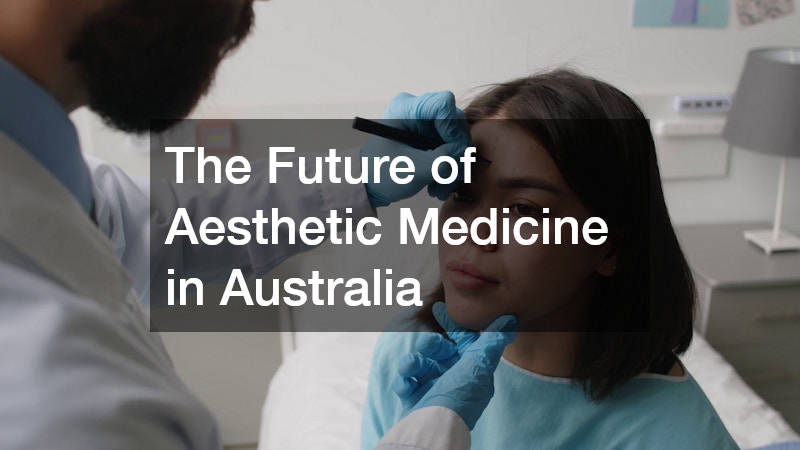
The Future of Aesthetic Medicine in Australia
As non-surgical aesthetic medicine continues to evolve, Australia remains at the forefront of global industry standards. The convergence of cutting-edge technology, natural-looking results and stringent regulatory protections has created a trustworthy and vibrant market. Looking ahead, the focus will increasingly centre on preventative skin longevity, holistic wellness and tailored treatment strategies. For Australians seeking safe and effective aesthetic rejuvenation, non-surgical options provide a reliable pathway to enhancing personal confidence and skin vitality.