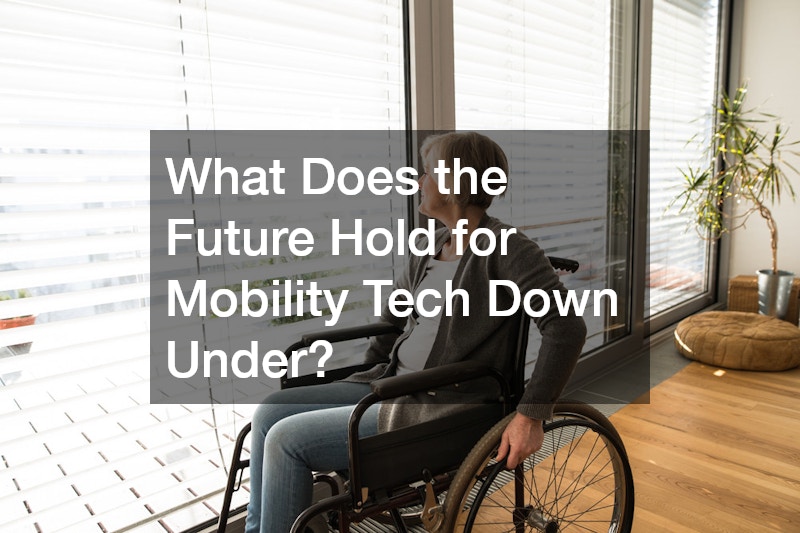
Smart Wheels for the Bush and City: Innovations Driving the Future of Mobility Tech in Australia
Highlights
-
Diverse Terrain Capability: Australian mobility innovations now seamlessly bridge the gap between rugged outback trails and smooth urban footpaths.
-
Smart Tech Integration: Advanced sensors, AI navigation and adaptive controls are transforming user independence across the country.
-
Eco-Friendly Upgrades: Lightweight, durable and recyclable materials are setting new environmental standards for modern mobility equipment.
-
National Care Access: Tailored assistance from a local wheelchair service ensures every user receives precise fittings and ongoing technical support.
-
NDIS Funding Support: National Disability Insurance Scheme initiatives make high-tech mobility solutions far more accessible to everyday Australians.
-
Enhanced Quality of Life: Modern designs prioritise ergonomics and user comfort, drastically reducing physical strain for active users.
What Is Driving the New Wave of Mobility Tech in Australia?
The latest evolution in Australian mobility tech is driven by smart sensor integration, lightweight space-age materials and artificial intelligence. Modern power chairs now feature terrain-sensing algorithms that automatically adjust suspension, torque and power delivery depending on whether the user is navigating a carpeted shopping centre or a gravel national park track. Furthermore, lithium-iron-phosphate battery technology has drastically increased operational range while reducing overall equipment weight, making long-distance travel safer and more reliable than ever before.
Beyond raw power and range, smart control interfaces have revolutionised user operation. Advanced eye-gaze tracking, subtle muscular sensors and customizable joystick sensitivity allow individuals with severe motor limitations to navigate complex environments with ease. Many of these advanced mobility devices feature built-in cellular connectivity, allowing real-time diagnostic reporting and immediate location tracking for safety during outdoor adventures. These digital upgrades ensure that users can explore distant bush trails without worrying about sudden equipment failure or getting lost.
How do Bush-Ready Features Adapt to Suburban Environments?
Designing a wheelchair capable of handling both the bush and the city requires balancing rugged durability with compact maneuverability. Innovations such as omnidirectional front castors, puncture-proof pneumatic tyres and modular seating frames allow a single chair to absorb harsh impacts on unpaved bush paths while easily fitting through narrow doorway frames and elevator entrances in city apartments. Active suspension systems dynamically absorb vibrations from rough surfaces, significantly reducing physical fatigue and long-term spinal stress for the user.
Key design elements that allow dual-environment performance include:
-
Hybrid Tread Patterns: Custom tyre designs providing exceptional grip on loose soil without creating excessive drag or noise on smooth urban concrete.
-
Water and Dust Resistance: High IP-rated enclosures for electronic components, protecting delicate circuits against red outback dust and sudden coastal downpours.
-
Compact Turning Radii: Mid-wheel drive configurations that allow 360-degree spins in tight, enclosed spaces like public buses or small kitchens.
-
Tool-Less Adjustability: Modular frames that enable users or carers to quickly swap out accessories, such as switching from city transit wheels to wide sand tyres.
Why Is a Local Wheelchair Service Essential for Smart Mobility?
While advanced technology provides the foundation for modern freedom, ongoing support from a knowledgeable local wheelchair service ensures the equipment continues performing at its peak. Every user’s body, lifestyle and environment are completely unique, meaning out-of-the-box equipment rarely offers optimal comfort or functionality. Specialist technicians evaluate individual seating mechanics, pressure relief needs and driving habits to tailor the equipment’s firmware and physical setup specifically to the individual.
Partnering with a reliable local wheelchair service also provides a vital safety net when maintenance or repairs are required. High-tech wheelchairs contain intricate electronics, specialised motors and custom hydraulic components that require professional expertise to service correctly. Having access to certified local technicians guarantees fast turnaround times for routine checks, emergency repairs and software updates, preventing prolonged downtime and keeping users mobile, independent and safe in their everyday lives.
How Does the NDIS Support Access to Advanced Mobility Tech?
The National Disability Insurance Scheme (NDIS) plays a critical role in helping Australians access life-changing assistive technology. Under the NDIS framework, mobility equipment falls under the Assistive Technology budget, allowing eligible participants to secure funding for custom-built wheelchairs that meet their specific goals. The scheme prioritises equipment that promotes independence, economic participation and community inclusion, making high-tech hybrid chairs accessible to those who need them most.
Navigating the approval process for high-cost or specialised equipment typically involves comprehensive occupational therapy assessments. An assessor works alongside the participant to demonstrate that a specific device is reasonable and necessary for their daily routine. By providing clear evidence regarding functional requirements, participants can secure funding not only for the baseline chair but also for custom seating, specialised controls and long-term maintenance packages.
What Lifestyle Benefits Do These Innovations Offer Users?
The primary benefit of modern mobility innovation is the total removal of environmental boundaries. Users no longer have to turn down invitations to outdoor family gatherings, bushwalks or beach trips due to concerns about terrain accessibility. Enhanced battery reliability and robust frames empower individuals to live spontaneously, knowing their equipment can handle unexpected changes in weather or ground conditions without breaking down.
Key personal and practical advantages of next-generation mobility technology include:
-
Greater Autonomy: Reduced dependence on carers or companions when navigating difficult public spaces, steep inclines or uneven footpaths.
-
Improved Health Outcomes: Specialised seating technologies improve posture, enhance respiration and drastically reduce the risk of pressure sores.
-
Social Inclusion: Ability to join friends and family in diverse environments, from off-road camping sites to urban restaurants.
-
Vocational Opportunities: Seamless transit options make commuting to workplaces, attending universities and travelling for business far more achievable.
What Does the Future Hold for Mobility Tech Down Under?
Looking ahead, the convergence of robotics, artificial intelligence and renewable energy will continue to push mobility technology forward. Researchers across Australia are actively testing autonomous navigation systems that help users avoid obstacles in crowded spaces or safely traverse narrow tracks. Furthermore, lightweight solar-charging attachments and regenerative braking systems are being developed to extend battery life during remote outback expeditions, ensuring users can travel further without needing grid power.
The ongoing consultation with disability advocates ensures that future engineering remains user-focused. As public infrastructure across Australian cities slowly becomes more accessible, the combination of smart urban design and high-tech personal equipment will create a truly barrier-free society. Working closely with an experienced local wheelchair service will remain the best way for users to adopt these emerging innovations smoothly as they enter the consumer market.
As assistive technology advances, maintaining strong relationships with trusted local technicians and clinical assessors ensures that every user gets the maximum benefit from their investment. With the right equipment, proper professional fitting and ongoing support, the path forward for Australian wheelchair users is clearer and more open than ever before. To learn more about national standards and accessibility rights, visit the Australian Human Rights Commission or explore research updates via Therapeutic Goods Administration.